Where to Play Chicken Road 2 for Real Money in the UK
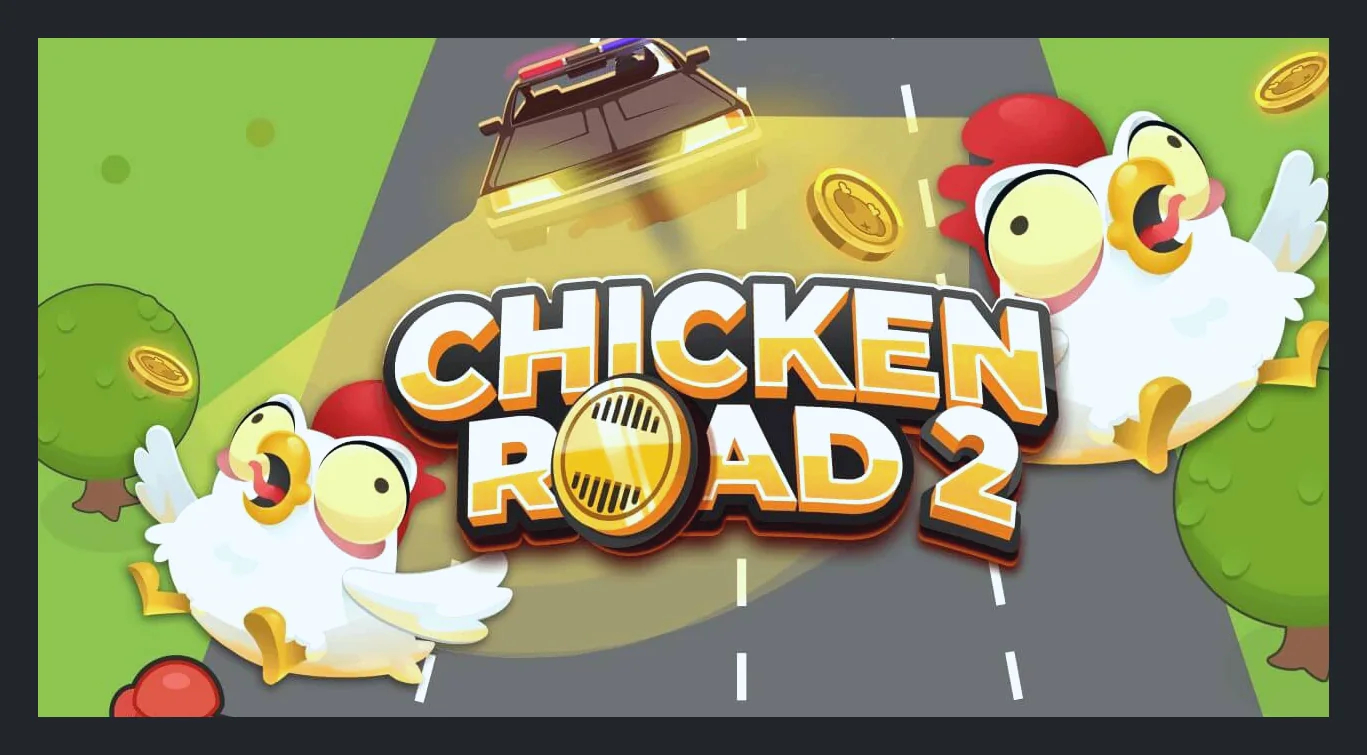
The maximum stake on a single spin or round of an online slot or crash game, when you are aged 18 to 24, is capped at £2.00. If you are 25 or older, the cap rises to £5.00. That figure shapes every session of Chicken Road 2 you play on a UK-licensed site, because the law does not care whether the game calls itself a crash game, a slot, or anything else—the stake cap still applies.
This page walks you through the practicalities: is real-money play legal here, what the UKGC licence changes for you as a player, which operators actually host the game, and what happens in the first ten minutes, the first hour, and the first week after you sign up. The focus is on the timeline, not just the rules, because registration, verification, deposits, and withdrawals all move at different speeds.
Is Real-Money Play Legal, and What Does the UKGC Actually Change?
Online casino play is legal in the United Kingdom when the operator holds a remote gambling licence issued by the UK Gambling Commission. Every site serving British players must display that licence number in the footer, and you can look it up in the UKGC public register to confirm the operator is in good standing. Unlicensed sites are illegal to market here, and you have no redress if something goes wrong.
The licence changes three things that matter to a Chicken Road 2 session. First, the stake cap: £5.00 per round if you are 25 or older, £2.00 if you are 18 to 24. The operator asks for your date of birth during registration and enforces the lower cap automatically. Second, affordability checks start from £150 net deposits in a calendar month, using credit-reference data at the first stage and potentially requesting bank statements or payslips at higher thresholds. Third, every UKGC site is connected to GAMSTOP, the national self-exclusion register; one registration blocks every licensed operator for six months to five years.
Gambling winnings are tax-free for the player. Operators pay Remote Gaming Duty, which was raised to 40 per cent in April 2026, but that does not touch your balance. Credit cards have been banned for gambling since 2020; you can only deposit with a debit card, e-wallet, or Open Banking, and the payment method must be in your own name.
Four Operators That Host the Game (and Their Weak Points)
These are market examples; terms and game libraries change, so check the site directly before you deposit. I have picked operators that actually list Chicken Road 2, but I am noting one concrete reason to consider them and one reason to be cautious.
| Operator | Reason to Consider | Weak Point | |
|---|---|---|---|
| Casumo | Large crash-game section, PayPal accepted, same-day Faster Payments withdrawals after KYC | Wager requirement on the welcome bonus is ×35, and crash games contribute 10–20% to playthrough | → |
| LeoVegas | Native app for iOS and Android, demo play available after log-in, quick age verification | Affordability checks can kick in below £150 if the system flags unusual deposit patterns | → |
| Mr Green | Open Banking deposits via Trustly, no fees, clean interface for crash games | First withdrawal takes 48–72 hours for document review; subsequent cashouts are faster | → |
| Grosvenor | Established UK brand with retail history, telephone support, Faster Payments to your bank in 24 hours | Game library is smaller than pure online operators; not every bonus covers crash games | → |
What to Check Before You Choose a Site
A checklist keeps you from discovering a problem after you have already deposited. Not every site is identical, even when they all hold the same regulator's licence.
- UKGC licence number in the footer, and a match in the public register—this confirms the site is legal and supervised.
- Whether Chicken Road 2 appears in the lobby or search; some operators list it under «Crash Games», others under «Originals» or the provider's name.
- Whether demo play is available and whether you need to log in and verify your age to see it; many UKGC sites restrict free play to registered, age-verified accounts.
- The stake cap for your age group: £5.00 if you are 25 or older, £2.00 if you are 18 to 24; this is set automatically based on the date of birth you provide.
- Payment methods you actually use: debit card (Visa or Mastercard), PayPal, Apple Pay, Open Banking via Trustly, or paysafecard; credit cards are banned.
- Withdrawal methods and realistic timing: e-wallets take a few hours to 24 hours, Faster Payments to your bank take the same day to two working days, debit-card cashouts take one to three working days; the first withdrawal is always slower because of document checks.
- Bonus terms: wager requirement, contribution percentage for crash games (often 10–20%, rarely 100%), maximum bet during playthrough, and expiry period.
- Affordability-check threshold: £150 net deposits in a month is the standard trigger, but some sites flag accounts earlier if deposit patterns look unusual.
The weakest link is usually the first withdrawal. You will need to upload a photo ID, proof of address, and sometimes a photo of your debit card (middle digits hidden) before the operator releases funds. This can take 24 to 48 hours, and customer support is not always quick to respond. Plan for that delay rather than expecting instant cashouts on day one.
The First Ten Minutes: Registration, Verification, and Your First Deposit
UKGC sites ask for your full name, date of birth, address, email, and mobile number during registration. The form then runs an automated age and identity check against credit-reference databases; if that passes, your account opens immediately and you can deposit. If the check fails or flags something, the operator asks for a photo ID before you can proceed. This is not negotiable—every UKGC licensee must verify age before accepting a deposit.
- Fill in the registration form; use your real details because they will be checked against documents later.
- Wait for the automated verification; this usually takes 30 seconds to two minutes. If it passes, you are through to the cashier.
- Choose a deposit method: debit card, PayPal, Apple Pay, Open Banking, or paysafecard. Enter the amount (minimum is typically £10.00) and confirm.
- The deposit lands in your casino balance instantly for debit cards, PayPal, and Apple Pay; Open Banking can take a few minutes.
- Search for Chicken Road 2 in the lobby or filter by «Crash Games»; some sites list it under the provider's name if it is a white-label version.
- Set your stake (£2.00 or £5.00 depending on your age) and start the first round.
That first ten minutes is smooth if the automated check works. If it does not, you will wait for manual review, which can stretch to 24 hours. The operator holds your deposit in limbo until verification is complete, so you cannot play or withdraw. This is why it matters to use a debit card and address that match your ID documents exactly.
The First Hour: Stake Caps, Bonus Rules, and Finding Your Rhythm
Once you are playing, the £5.00 or £2.00 stake cap becomes the most visible constraint. Chicken Road 2 lets you cash out at any stage of the ladder, so you control the risk-reward trade-off, but the cap means you cannot chase a big multiplier with a large stake. A £5.00 bet cashed out at ×10.00 returns £50.00; that is the ceiling for one round unless you are willing to string together multiple wins.
If you claimed a welcome bonus, check the terms before you play. Crash games often contribute 10 to 20 per cent of each stake towards the wager requirement, which means you need to turn over five to ten times the notional amount to clear the same bonus a slot player would clear at 100 per cent contribution. Some bonuses exclude crash games entirely, and others impose a maximum bet during playthrough—usually £5.00, but occasionally lower. Breaching the max-bet rule voids the bonus and any winnings derived from it, and the operator does not warn you in advance.
The first hour is also when you notice whether the game runs smoothly on your device. Chicken Road 2 is typically a browser-based or web-app game rather than a native iOS or Android app, so performance depends on your connection and the operator's server load. Lag or disconnections during a round can cost you a cash-out opportunity, and while UKGC rules require operators to honour the result that was determined server-side, getting that resolved means contacting support and waiting.
The First Week: Affordability Checks, Withdrawal Timing, and Session Reality
If your net deposits cross £150 in a calendar month, the operator starts affordability checks. The first stage uses credit-reference data and happens automatically; you might not even notice it. The second stage, triggered at higher deposit levels or if the first stage raises flags, requires you to upload bank statements, payslips, or other proof of income. Until you provide those documents, further deposits are blocked. Withdrawal of existing winnings is usually still allowed, but some operators freeze everything pending review.
Your first withdrawal request is the slowest. The operator asks for a photo of your passport or driving licence, a recent utility bill or bank statement showing your address, and sometimes a photo of the debit card you used (with the middle digits hidden). This review takes 24 to 48 hours on average, longer if you submit unclear images or documents that do not match the name and address on file. Once the documents are approved, subsequent withdrawals are much faster: e-wallets in a few hours, Faster Payments to your bank account in the same day to two working days, debit-card cashouts in one to three working days.
Session reality over the first week is that the stake cap keeps individual wins modest, and the game's volatility means losing streaks are part of the design. Cashing out early limits variance but also limits upside; waiting for high multipliers increases upside but burns through your balance when the chicken hits a mine. The RNG determines the mine placement, and no pattern or timing trick changes that. Wager requirements on bonuses slow down your ability to withdraw, and the 10–20 per cent contribution from crash games means you are playing five to ten times the volume you would need with a slot.
What Changes for This Game Specifically
Chicken Road 2 is treated as a game of chance under UKGC rules, which means the £5.00 and £2.00 stake caps apply regardless of whether the operator calls it a crash game, a skill game, or anything else. The cap is per round, not per session, so you can play as many rounds as you want, but each one is limited to the figure tied to your age.
Bonus contribution is lower than slots. A typical UKGC welcome offer will count 100 per cent of slot stakes towards the wager requirement, but only 10 to 20 per cent of crash-game stakes. That means a £10.00 bet on Chicken Road 2 clears £1.00 to £2.00 of the requirement, while a £10.00 bet on a slot clears the full £10.00. If you are playing primarily for the bonus, slots are the faster route; if you prefer the chicken-and-ladder mechanic, accept that clearing the bonus will take longer.
Availability varies. Not every UKGC operator hosts Chicken Road 2; some focus on slots and table games and skip crash games entirely. The operators that do list it usually place it in a «Crash Games» or «Originals» category rather than the main slot lobby, so you will need to search or filter. Demo play is common, but many UKGC sites restrict it to logged-in, age-verified accounts rather than allowing anonymous free play.
The stake cap is the most tangible difference between playing in the UK and in jurisdictions without one. A £5.00 ceiling per round means that chasing a ×20.00 or ×50.00 multiplier still results in a win measured in double or triple figures, not thousands. That is by design; the cap exists to reduce the harm from high-stakes, high-speed play. It does not remove the risk of losing your balance quickly—volatility and the RNG still govern that—but it does limit the size of individual wins and losses.
FAQ
Do I need a UKGC licence to play Chicken Road 2 in the UK?
You do not need a licence; the operator does. Every site serving British players must hold a remote gambling licence from the UK Gambling Commission, and the licence number must be visible in the footer. You can check it in the UKGC public register. Playing on an unlicensed site is not illegal for you, but the site itself is operating illegally and you have no regulatory protection.
Why is my stake capped at £2.00 when the game allows higher bets?
The £2.00 cap applies if you are aged 18 to 24. UKGC rules require operators to enforce this limit automatically based on the date of birth you provided during registration. If you are 25 or older, the cap rises to £5.00. The game software may show higher bet options, but the operator's platform overrides those and blocks stakes above your age-group limit.
Can I use a credit card to deposit?
No. Credit cards have been banned for gambling in the UK since April 2020. You can deposit with a debit card (Visa or Mastercard), PayPal, Apple Pay, Open Banking via Trustly, or paysafecard. The payment method must be in your own name; third-party deposits are not allowed and will be returned.
How long does the first withdrawal take?
The first withdrawal is the slowest because the operator must verify your identity and address. You will need to upload a photo ID, proof of address, and sometimes a photo of your debit card. Document review takes 24 to 48 hours on average, occasionally longer if your images are unclear or your details do not match. Once approved, the cashout itself takes a few hours for e-wallets, the same day to two working days for Faster Payments to your bank, or one to three working days for a debit-card transfer. Subsequent withdrawals skip the document stage and are much quicker.
What happens if I deposit £150 or more in a month?
Affordability checks start from £150 net deposits in a calendar month. The operator runs automated checks using credit-reference data first, and if those raise no flags, you can continue as normal. If the checks flag something, or if your deposits rise further, the operator asks for bank statements, payslips, or other proof of income. Until you provide those documents, further deposits are blocked. Withdrawal of existing winnings is usually still allowed, but some sites freeze all account activity until the review is complete.
Do crash games count towards bonus wagering?
They count, but at a lower rate than slots. A typical UKGC welcome bonus will count 10 to 20 per cent of each Chicken Road 2 stake towards the wager requirement, while slots count 100 per cent. That means you need to wager five to ten times the volume to clear the same bonus. Some bonuses exclude crash games entirely, and others cap your bet size during playthrough—usually £5.00, but check the specific terms. Breaching the max-bet rule voids the bonus and any winnings, and the operator does not warn you in advance.