Where the Real Risk Sits in Chicken Road 2
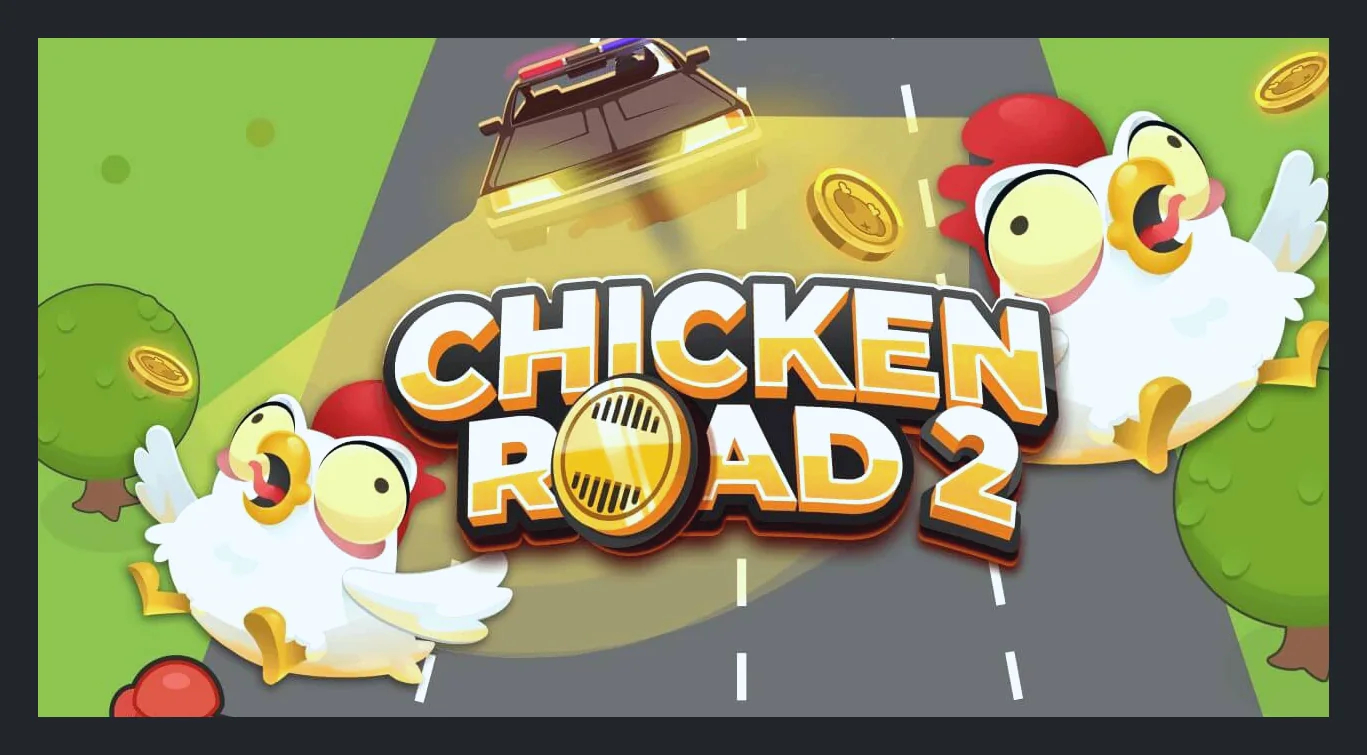
The UK Gambling Commission raised the Remote Gaming Duty to 40% in April 2026, which pushed a few smaller operators out and made the ones that stayed more careful about which games they list. Chicken Road 2 survived because it's certified, transparent about RTP, and compatible with the £5 stake cap that applies to every slot and instant game here. If you're under 25, that cap drops to £2 per round — the platform enforces it automatically once your age is verified.
This page is about the original: who built it, how the mechanics actually work, what the paytable looks like in pounds, and how to spot a clone in ten seconds. The game runs on UKGC-licensed sites, which means the operator's licence number sits in the footer and the site appears in the Commission's public register. If either is missing, you're on an unlicensed platform, and your deposits aren't protected by UK law.
Who Made the Original and How Certification Works
The original Chicken Road 2 comes from a licensed provider whose games are tested by accredited labs — typically GLI, eCOGRA, or iTech Labs — and carry a serial certificate that lists RTP, volatility, and max exposure. That certificate is what lets a UKGC operator add the game to its lobby without breaching its own licence conditions.
The provider's name appears in the game's loading screen and in the info panel once you open it. If the provider field is blank or shows a name you can't find in any regulator's database, you're looking at a clone. Clones use the same visual assets — the chicken sprite, the grid layout, the sound effects — but run on different RNG logic, often without third-party testing. That means the stated RTP is unverified, and in some cases, the clone's payout rate sits well below the original's.
On a UKGC site, the game's RTP and max win must match the certified version. Operators can't alter those figures without submitting a new variant for testing, which takes months and costs money. So if you see Chicken Road 2 on a licensed platform, the numbers in the paytable are the numbers the lab signed off on.
How a Round Works from the Player's Seat
You set your stake — anywhere from £0.10 to £5.00 if you're over 25, or £0.10 to £2.00 if you're 18–24 — and press Start. The grid is 5×5, which gives you 25 tiles. Some tiles hide coins, others hide traps. Your job is to pick tiles one by one, collecting coins as you go. Each coin you collect moves you up a multiplier ladder: the first coin might be 1.1×, the fifth could be 3×, the tenth could be 20×.
You can cash out after any coin. If you hit a trap, the round ends and you lose the stake. The longer you stay in, the higher the multiplier climbs, but the chance of hitting a trap grows with it because fewer safe tiles remain. That's the central tension: push for a bigger multiplier or take what you've won and start fresh.
The RNG decides trap placement the moment you press Start, so the outcome is fixed before your first pick. Your choices don't change which tiles are safe — they just determine the order in which you reveal them. This is important because it means there's no skill edge: you can't «read» the grid or spot patterns. The game is pure probability, and the house edge sits in the multiplier curve.
The Real Numbers from the Tech Sheet
The max win of 10,000× means a £5 stake could return £50,000 in theory, but reaching that multiplier requires collecting every coin without hitting a trap — a probability in the hundredths of a percent. Most rounds end between 1× and 5×, and long winning streaks are rare because of the volatility rating.
The difficulty selector changes the number of traps. Easy mode might have 5 traps out of 25 tiles, Medium could be 8, and Hard might be 12. More traps mean a steeper multiplier curve: you climb faster, but your odds of survival drop with each pick. The RTP stays roughly the same across difficulties — the lab tests each mode separately — but the session variance changes. Hard mode produces bigger swings, which means longer losing runs and occasional large hits.
Where Players Lose and How to Limit It in Advance
The most common mistake is chasing a multiplier after a near-miss. You collect nine coins, the tenth tile is a trap, and you immediately start another round trying to get back to where you were. That behaviour compounds losses because each round is independent — the RNG doesn't «owe» you anything after a bad result.
The second risk is stakes creeping up. You start at £0.20, lose three rounds, bump it to £0.50, lose again, and before long you're at £2.00 trying to recover. The £5 cap (or £2 if you're under 25) exists to contain this, but it won't stop you if you keep reloading. UKGC rules require operators to offer deposit limits, and affordability checks kick in once you've deposited a net £150 in a month. If you hit that threshold, the site will ask for proof of income using credit-reference data. It's intrusive, but it's designed to catch problem play early.
- Set a session budget before you start — say, £20 — and stop when it's gone, regardless of whether you're up or down.
- Use the platform's reality check: most UKGC sites ping you every 30 minutes with a summary of time and money spent.
- If you're on a losing streak of five rounds or more, take a break. The RNG doesn't care about your previous results, so there's no value in «riding it out».
- Remember that the house edge sits in every round. Over a long enough session, you'll drift towards the RTP figure, which is below 100%. Wins happen, but they're designed to be less frequent than losses.
Mechanics One by One
Multiplier Ladder: Each coin you collect moves you up a fixed ladder. The ladder's shape depends on difficulty: Easy mode climbs slowly, Hard mode climbs fast. The multiplier applies to your original stake, not to your running total, so a 10× win on a £1 stake is £10, not £10 added to your balance.
Trap Placement: The RNG assigns traps at the start of the round. The number of traps is set by the difficulty level, and their positions are random within the 25-tile grid. Once placed, they don't move. Your picks reveal tiles in the order you choose, but the underlying layout is fixed.
Cash-Out: You can cash out after any coin. The button appears once you've collected at least one coin, and the amount shown is your stake multiplied by the current ladder position. Cashing out ends the round immediately — you can't resume or «bank» progress for the next round.
Auto-Play: Some versions let you set a target multiplier and a loss limit. The game picks tiles automatically and cashes out when it hits your target or the round ends in a trap. Auto-play doesn't change the odds — it just removes the manual clicking — but it does make it easier to burn through a balance without noticing.
Clones, How They Differ, and a Ten-Second Check
Clones copy the visual design — grid, chicken sprite, multiplier display — but swap out the RNG and often the paytable. The most common tell is the provider name: if it's missing, or if it's a studio you can't verify in any regulator's database, you're on a clone. The second tell is the RTP: the original sits between 96% and 97%, depending on configuration. If the game info panel shows 94% or doesn't list RTP at all, that's a red flag.
Some clones run on unlicensed sites, which means they're illegal to market to UK players and aren't covered by UKGC dispute procedures. If the operator's footer doesn't show a licence number, or the number doesn't appear in the Commission's public register, the site is unlicensed. Depositing on an unlicensed platform means your money isn't protected, and if the site folds or refuses a withdrawal, you have no legal recourse.
| Check | Original | Clone |
|---|---|---|
| Provider field | Named studio, verifiable | Blank or unknown name |
| RTP | 96–97%, listed in info panel | Unlisted or below 95% |
| Certification | Lab serial visible in game info | No certificate mentioned |
| Operator licence | UKGC number in footer, public register match | No licence or offshore regulator |
The ten-second check: open the game, tap the info or rules button, and look for the provider name and RTP. Then scroll to the site's footer and find the UKGC licence number. Copy that number into the Commission's register search. If all three match — provider, RTP, and licence — you're on the original. If any one is missing or doesn't check out, close the tab.
FAQ
Can I play Chicken Road 2 in demo mode without depositing?
Most UKGC-licensed sites offer demo play, but you'll need to create an account and pass age verification first. The Commission's rules require operators to confirm you're over 18 before showing any gambling content, including free-play versions. Once verified, demo mode runs on the same RNG as real-money play, so the mechanics and probabilities are identical — you just can't cash out.
Why is my stake capped at £2 when I'm over 18?
If you're aged 18–24, the platform applies a £2 cap automatically. That's a UKGC rule introduced to limit exposure for younger players. Once you turn 25, the cap lifts to £5. The system checks your age during verification, so the limit adjusts without you needing to do anything. If the cap isn't applying correctly, contact the operator's support — it's a compliance issue on their end.
How long does the first withdrawal take, and why do I need to upload documents?
The first withdrawal is the slowest because the operator runs identity and address checks — typically 24 to 48 hours once you've submitted documents. After that, e-wallet withdrawals clear in a few hours, and Faster Payments to a UK bank take the same day to two working days. The document request is a UKGC requirement: operators must verify your identity before releasing funds. If you don't provide them, the withdrawal sits in pending indefinitely.
Does the game remember my progress if I close it mid-round?
No. If you close the game or lose connection during a round, the RNG finishes the round in the background. When you reopen, you'll see the result — either a win if you'd already cashed out before disconnecting, or a loss if the round ended in a trap. There's no way to pause or resume a round. If you're unsure whether a round completed, check your transaction history in your account dashboard — every round logs a result.